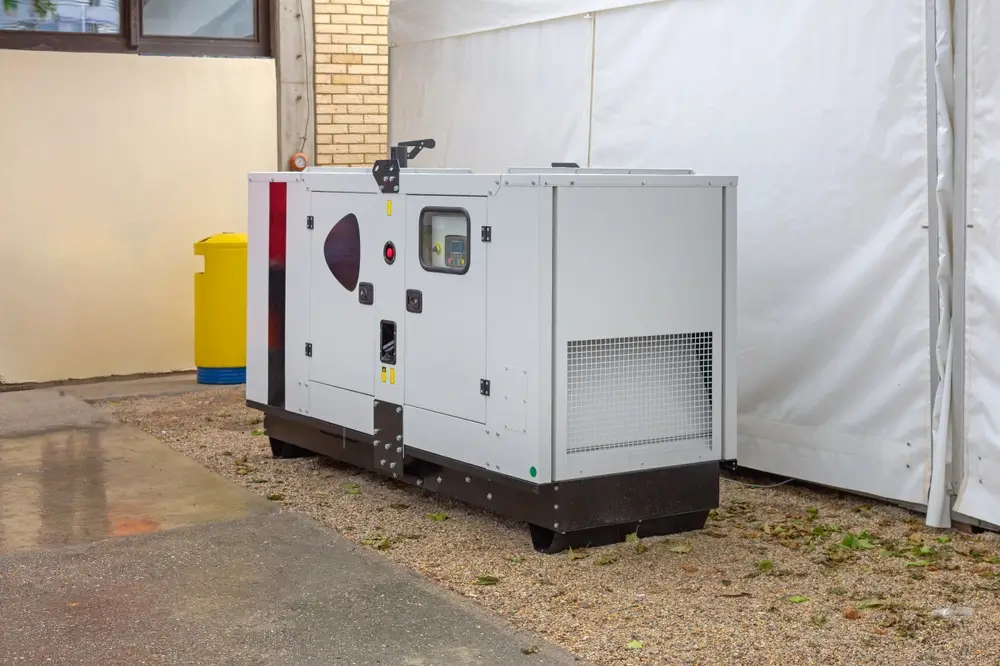
Standby power · Glendale, AZ
When a monsoon storm knocks out the grid, a standby generator with an automatic transfer switch keeps your home running: fridge cold, AC on, lights up. No extension cords, no fuel runs, no waiting in the dark.
How standby power works
A standby generator sits permanently outside your home, connected to your gas supply and your electrical panel through an automatic transfer switch. When the power goes out, the switch detects it, the generator starts, and your home is back on power in seconds. When the grid returns, it switches back and shuts itself down.
What an install includes
Standby vs. portable
Permanently installed, automatic start, runs on natural gas or propane, powers the whole home or selected circuits. The right choice if you want power back without lifting a finger, especially with medical equipment, a home office, or a family that cannot wait out an outage.
A lower-cost path: we install a code-compliant generator inlet and an interlock or manual transfer switch at your panel, so a portable unit can power selected circuits safely. Never backfeed a panel through a dryer outlet. It is dangerous and illegal.
Not sure which fits? The evaluation covers it. We will size both options and tell you honestly which one your house needs.
Common questions
It depends on what you want to keep running. A whole-home setup with central AC needs a much larger unit than essentials-only coverage for a fridge, lights, and a few outlets. We size from a load calculation on your house, not a generic chart.
Yes. Standby generator installs are permitted work, covering the electrical, gas, and placement requirements. We pull the permit and handle the inspection.
The evaluation happens the same week, usually within 3 days. The install itself depends on the unit, the gas line run, and the permit schedule. We will give you a straight timeline after the evaluation, not before we have seen the site.
Yes, if it is sized for it. Central AC is one of the biggest loads in a Valley home, so it drives the sizing decision. Tell us up front that AC coverage matters and we will size the system for it.
Call or send the form. We will evaluate your home the same week and size a system that covers what actually matters to you.